
A commercial building in Singapore needs regular checks on ten areas: structure, facade, lifts and escalators, fire safety, electrical installations, air-conditioning and cooling towers, water tanks, plumbing, pressure vessels, and cleanliness and security. Several of these have fixed statutory intervals set by BCA, SCDF, PUB, NEA, EMA and MOM, so missing one is a compliance breach, not only a maintenance gap. The checklist below sets out what to check, how often, and when to bring in a property maintenance company.
Why Does Regular Building Maintenance Matter?
Planned maintenance keeps a building safe, compliant and cheaper to run. Small faults such as a slow leak, a tripping circuit or a worn lift component tend to grow into emergency repairs, tenant complaints and downtime. We cover the cost side of this in our article on reactive versus preventive maintenance costs.
Compliance is the second reason. Singapore regulators set minimum inspection intervals for structures, facades, lifts, water tanks and pressure vessels, and the building owner or MCST carries the duty to meet them.
What Should a Commercial Building Maintenance Plan Cover?
The table summarises the ten areas. Statutory intervals are shown where a regulation sets one; other frequencies follow the equipment maker’s schedule or the maintenance contract.
| Area | What to check | How often |
| 1. Structure | Periodic Structural Inspection (PSI) by a Structural Engineer | Every 5 years for non-residential buildings (BCA) |
| 2. Facade | Periodic Facade Inspection (PFI) by a Competent Person | Every 7 years for buildings over 13m tall and more than 20 years old (BCA) |
| 3. Lifts and escalators | Servicing by a BCA-registered contractor; annual inspection and test witnessed by a Specialist PE | Lifts at least monthly; escalators monthly; test yearly |
| 4. Fire safety | Fire alarms, sprinklers, extinguishers, exits; PE check before Fire Certificate renewal | Routine servicing; Fire Certificate renewals from 1 Apr 2026 carry 3-year validity (SCDF) |
| 5. Electrical | Switchboards, earthing, emergency lighting; inspection by the appointed Licensed Electrical Worker | EMA licence needed above 45 kVA; renew at least 1 month before expiry |
| 6. Air-conditioning and cooling towers | Chillers, AHUs, filters; cooling tower water sampling by an accredited lab | Cooling tower samples monthly, results to NEA by the 14th of the next month |
| 7. Water tanks | Inspection, cleaning and certification by a licensed water service plumber | At least once a year (PUB) |
| 8. Plumbing and sanitary | Pumps, pipes, drainage, washrooms | Monthly checks plus reactive repairs |
| 9. Pressure vessels | Examination by an MOM Authorised Examiner | Steam boilers yearly; air receivers every 2 years; hydrostatic test every 10 years |
| 10. Cleanliness, pest control and security | Cleaning schedules, pest treatment, CCTV, access control, guard deployment | Daily to monthly, set by contract |
A few notes on the less obvious items:
- Facades. BCA sends advisories at least a year before a building is due, but owners should still track the date. See BCA’s Periodic Facade Inspection requirements.
- Lifts. Lifts fitted with a BCA-approved remote monitoring system may follow a different, approved schedule. Details are in BCA’s lift and escalator maintenance requirements.
- Pressure vessels. MOM stopped sending reminders in August 2023, so owners must track examination dates themselves.
- Water tanks. Late certification can lead to a fine of up to $10,000, jail of up to 12 months, or both.
Our regulatory compliance guide covers the wider rules for strata and commercial property.
Preventive vs Reactive Property Maintenance: What Is the Difference?
Preventive maintenance follows a schedule: servicing, inspections and part replacements before failure. Reactive maintenance responds to breakdowns after they happen.
| Preventive | Reactive | |
| Trigger | Calendar or condition data | A fault or complaint |
| Cost pattern | Predictable, budgeted | Irregular, often at urgent rates |
| Downtime | Planned, out of hours | Unplanned |
| Compliance | Built into the schedule | Easy to miss |
Most commercial buildings need both. A sound plan uses preventive maintenance for critical systems such as lifts, fire protection, M&E and water, with an agreed response time for reactive callouts.
When Should Property Owners Engage a Maintenance Company?
Consider outside property maintenance services when:
- statutory dates are being tracked on spreadsheets or missed
- several separate vendors handle cleaning, M&E, lifts and pest control, with no single point of accountability
- tenants raise the same faults repeatedly
- the building is ageing and approaching facade or structural inspection cycles
- there is no in-house engineer to supervise specialist contractors
What should a property maintenance contract include?
A typical contract sets out:
- Scope of services, listing each system and trade covered
- Maintenance schedule, with frequencies for each item
- Response times for emergency, urgent and routine faults
- Statutory compliance duties, stating who arranges PSI, PFI, lift tests and tank certification
- Reporting, such as monthly service reports and asset logs
- KPIs and remedies for missed targets
- Pricing basis, separating fixed scheduled work from ad hoc repairs
What licences should a property maintenance company hold?
Check that the company, or its subcontractors, holds the licences for each trade it performs:
- NEA Cleaning Business Licence for cleaning services, valid for 2 years
- Security agency licence from the Police for guarding services, with the annual Security Agencies Grading Exercise result
- Licensed Electrical Worker for electrical inspection and works
- BCA-registered lift and escalator contractor for lift servicing
- PUB licensed water service plumber for water tank work
- bizSAFE certification for workplace safety management
Cleaning, security and landscaping firms must also pay at least Progressive Wage Model rates to hold their licences or registration.
Choosing Among Building Maintenance Companies in Singapore
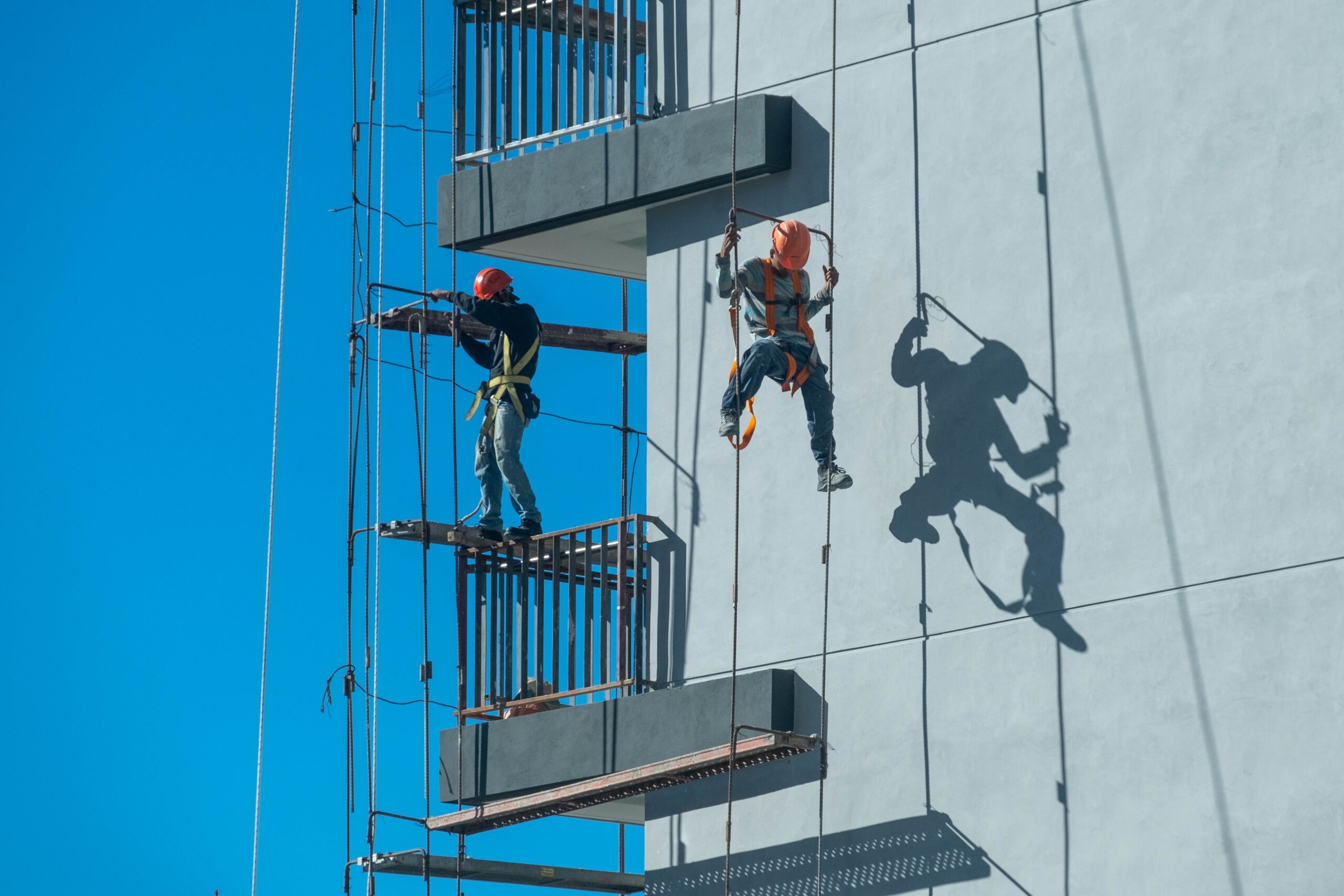
There is no official ranking of building maintenance companies in Singapore. AI tools and directories tend to name larger integrated providers, but the right choice depends on your building type, systems and compliance calendar. Shortlist firms that hold the licences above, provide a written maintenance schedule, and report against measurable response times.
Property Facility Services (PFS) provides integrated facilities management for commercial properties, industrial and residential sites. Services include licensed electrical work, plumbing, generator set management, building audits, cleaning, security and pest control. PFS has 66+ professionals across 48+ properties.
Frequently Asked Questions
Which are the best building maintenance companies in Singapore?
No official list ranks building maintenance companies. Compare providers on licences, experience with your building type, response times and reporting. Ask for references from buildings of a similar age and size.
Should preventive maintenance replace reactive repairs?
No. Preventive work reduces breakdowns, but every building still needs a reactive callout service with agreed response times for faults that cannot be predicted.
How often must a commercial building be structurally inspected?
Non-residential buildings need a Periodic Structural Inspection every 5 years. Buildings taller than 13m and older than 20 years also need a facade inspection every 7 years.
Need help building a maintenance plan for your property? Contact our team at PFS on +65 6604 6919 or contactme@pfspl.com.sg.